


Sun Protection After Hair Transplant: Healing and Healthy Results
“When can I go out in the sun after hair transplant?” is one of the most frequently asked questions among patients. After a hair transplant, the scalp enters a healing phase and becomes highly sensitive. During this period, direct exposure to sunlight can damage the transplanted hair follicles and the healing tissue.
In this blog, we’ll explain how long you should avoid sun exposure after a hair transplant and outline the key precautions you can take to protect your newly transplanted hair follicles from harmful UV rays.
When Can You Go Out in the Sun After a Hair Transplant?
Most patients should avoid direct sun exposure for at least 3 months after a hair transplant. However, the duration of sun protection after a hair transplant may vary depending on the patient’s skin type, healing speed, and the extent of the procedure. Therefore, the process should be evaluated individually for each patient.
General guidelines for sun exposure after a hair transplant:
- Avoid direct sunlight for the first 3 months
- Patients with sensitive skin may need 4–6 months of protection
- Mild sun exposure may be allowed after month 3 if redness and sensitivity are gone
- A dermatology check-up is recommended if symptoms persist.
How Long Should I Avoid Sun After Hair Transplant?
Here is a hair transplant sun exposure timeline to help you gauge how long you should avoid the sun after hair surgery:
Days 1-10: No sun exposure at all (grafts not yet secure)
Weeks 2-4: Strict sun avoidance; healing is still active
Months 1-3: Hat required; avoid prolonged sunlight
After 3 months: Limited sun exposure possible with protection
After 6 months: Normal sun exposure in most patients
How Does Sun Exposure Affect Hair Transplant Results?
Sun exposure after a hair transplant can negatively affect graft survival and healing. UV rays increase inflammation, slow tissue regeneration, disrupt the hair growth cycle, and may push hair follicles into early shedding, especially during the first few months after surgery.
The Effects of Sun Rays on Transplanted Hairs
Although the harmful effects of UV rays on the skin are widely known, their impact on hair follicles and hair transplant grafts is often overlooked. Scientific studies have shown that UV rays in particular can slow down hair growth and push hair follicles into the early shedding phase (catagen phase).
According to research, UV exposure:
- Suppresses cell proliferation in hair follicles.
- Triggers programmed cell death (apoptosis) at low UV doses.
- Increases the risk of uncontrolled cell death (necrosis) at high doses.
- May reduce pigment production responsible for natural hair color and cause inflammation-related cellular changes in hair follicles.
Considering all these effects, excessive sunlight can disrupt the hair growth cycle and negatively affect hair health. Therefore, protecting the scalp from UV rays after a hair transplant is just as important as skin protection for healthy healing and long-lasting results.
Harmful Effects of Sun Exposure After Hair Transplant
- Direct sunlight can damage both the scalp and newly transplanted grafts.
- UV rays can delay the healing process and negatively affect graft retention. Increased skin sensitivity may lead to redness, irritation, burns, and pigmentation problems.
- Excessive sun exposure can cause skin dryness and slow down tissue regeneration.
- UV rays may reduce epidermal cell mobility, prolonging scab formation and delaying healing.
- The risk of scar formation may increase.
How Can You Protect Your Scalp From the Sun After Hair Transplant?
After a hair transplant, it is important to take some simple yet effective precautions to protect the scalp and grafts from UV rays. Studies show that effective sun protection during this period supports healing and increases the permanence of transplanted hair follicles. Therefore, sun exposure after hair transplantshould be strictly controlled and limited according to dermatologists’ recommendations.
1. Use a Wide and Lightweight Hat
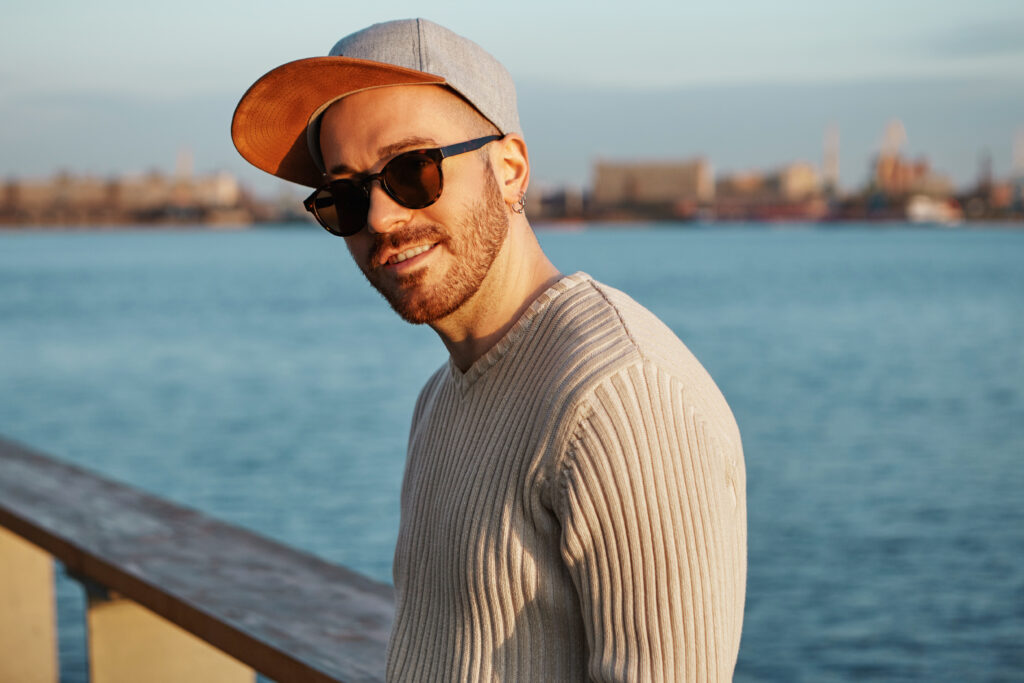
Wearing a hat after a hair transplant is not harmful when done correctly. Choose hats designed to fully shade the transplanted area. Lightweight and comfortable hats prevent pressure on new grafts and improve comfort.
2. Go Outside at Appropriate Hours
Avoid going outside between 11:00 and 16:00, when UV rays are at their strongest. Prefer early morning or evening hours to better protect the transplanted area.
3. Comb Existing Hair Forward for Protection
Patients with longer hair can partially shade the transplanted area by combing their existing hair forward. This provides natural protection and can be used as an additional precaution.
4. Sunscreen Use After Sea/Pool Exposure
Swimming in the sea after a hair transplant is usually possible 1 month after the procedure. To protect hair follicles from external factors such as the sea, pool, and sun, wearing a swim cap while swimming is recommended.
This helps protect the grafts and prevents negative effects on healing.
- Choose a water-resistant sunscreen with SPF 30+.
- Apply sunscreen only after all scabs have completely fallen off.
Remember: sunscreen does not replace hats or shade; using both together is the safest approach.
5. Take Extra Precautions If You Will Stay Outdoors for Long Periods
- Use both a hat and shade for protection
- Take regular breaks in shaded areas
- If necessary, apply additional care products recommended by your dermatologist
These simple yet effective measures protect the scalp and newly transplanted grafts from the harmful effects of the sun. When applied correctly, the healing process is faster, and hair transplant results become more natural and long-lasting.
We recommend that our hair transplant patients wear a hat for the first 2-3 months and avoid direct, prolonged exposure to sunlight.
Long-Lasting and Healthy Results with Civas&Akpınar Clinic
Sun protection after a hair transplant is not just a temporary precaution. On the contrary, it is a critical step for the healthy retention of transplanted hair follicles and for achieving successful long-term results.
Key recommendations to prevent sun exposure after hair transplant:
- Do not underestimate the effects of UV rays on hair follicles
- Avoid direct sunlight for the first 3 months
- Always wear a protective hat when going outside
- If your sun exposure will increase, consult your dermatologist to extend the protection period
At Civas&Akpınar Hair Clinic in Turkey, our experienced dermatologists are by your side to help you achieve the most natural and long-lasting results. Take the first step today by filling out our online consultation form and receive a personalized evaluation and advice tailored specifically to your hair loss needs.
FAQs: Sun Exposure After Hair Transplant
Can sun exposure ruin a hair transplant?
Yes. Excessive sun exposure during the healing phase can damage grafts, delay recovery, and reduce long-term hair density.
Can I use sunscreen after a hair transplant?
Sunscreen can be used only after all scabs have fallen off, usually after 10-14 days, and should never replace physical protection like hats.
Can I Get a Hair Transplant in Summer?
Yes. A summer hair transplant can be safely performed if strict sun protection and aftercare guidelines are followed. Avoid direct sunlight, wear a breathable hat, and limit sweating during the early healing phase to protect graft survival and results.