


Hair texture after hair transplant is a common concern among patients during the recovery process. Many patients notice that their newly growing hair feels different, sometimes coarser, curlier, or even wiry, especially in the first months after surgery.
This often leads to understandable questions:
Does hair texture change after hair transplant? Is this difference permanent?
The short answer is that while transplanted hair generally retains its original characteristics, temporary and, in some cases, subtle long-term changes can occur. These variations are influenced by a combination of factors, including surgical technique, healing response, and the biological interaction between the transplanted follicles and the recipient site.
Clinical research has shown that although the fundamental properties of the hair, such as shaft diameter, are largely preserved, the behavior and appearance of transplanted hair texture may fluctuate during different stages of growth.
This blog will help patients distinguish between what is normal, what is temporary, and what may require further evaluation.
Does Hair Texture Change After a Hair Transplant? (Quick Answer)
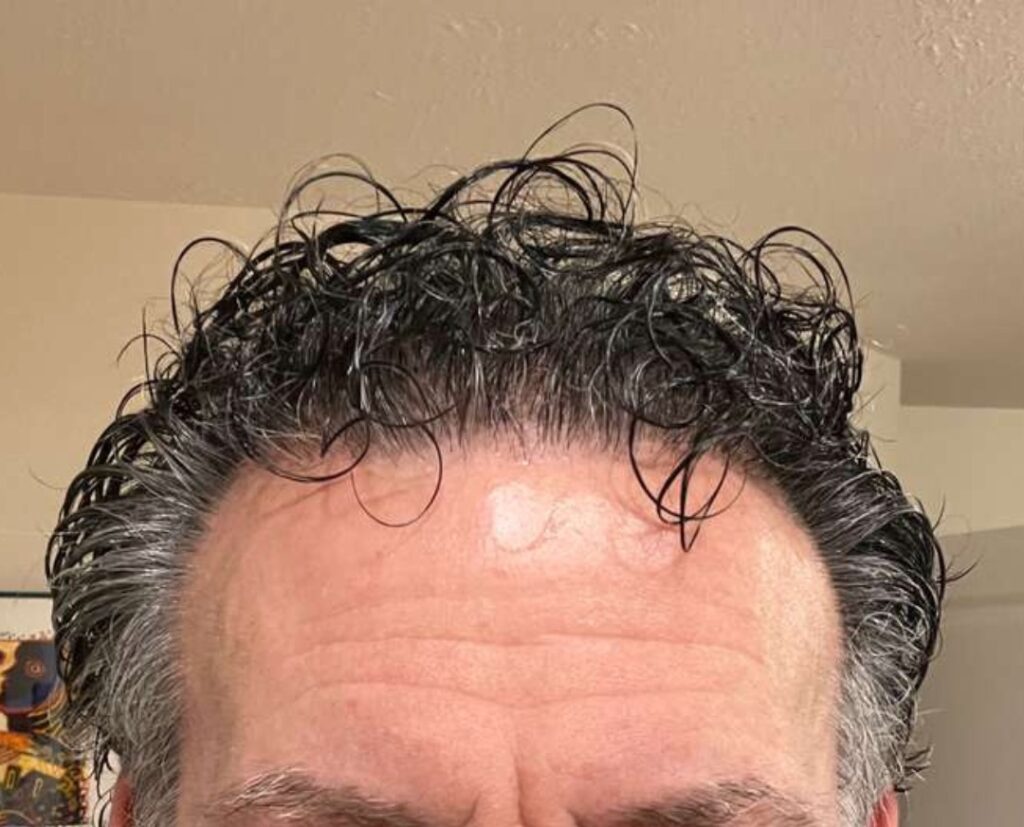
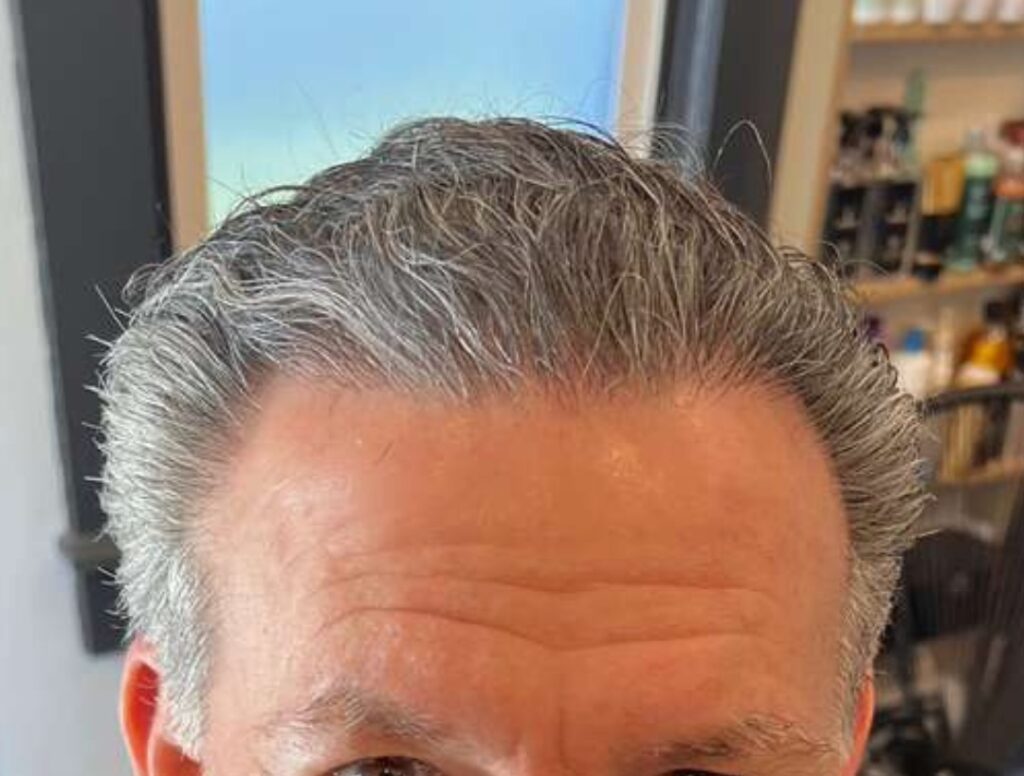
Hair texture can temporarily change after a hair transplant during the healing phase. Many patients notice that transplanted hair appears coarser, curlier, or wiry in the first 3-6months.
In most cases, this is not permanent. Transplanted hair usually returns to its natural texture within 6-12 months as the follicles mature and complete their growth cycle.

What Is Hair Texture?
Hair texture refers to the physical characteristics of the hair shaft, particularly its diameter (thickness) and structural composition. It is not related to whether the hair feels oily, dry, or damaged, that reflects hair condition rather than true texture.
From a dermatological perspective, hair texture is generally classified into three categories:
- Fine hair: smaller shaft diameter, more delicate structure
- Medium hair: balanced thickness, the most common type
- Coarse (thick) hair: larger shaft diameter, stronger and more robust structure
These characteristics are primarily determined by genetics and are established in the donor area, which is why they play an important role in hair transplantation outcomes.
This is also why, in most cases, the transplanted hair texture is expected to reflect the properties of the donor follicles rather than the recipient site.
Does Transplanted Hair Keep Its Original Texture?
Yes, transplanted hair typically keeps its original texture.
This is explained by the principle of donor dominance, meaning that hair follicles taken from the donor area (usually the occipital scalp) retain their genetic characteristics even after transplantation.
Evidence suggests that:
- Hair shaft diameter generally remains stable after transplantation
- Transplanted follicles continue to follow the genetic program of the donor site
However, this is not the full picture, as the biological environment of the recipient area can still influence how the hair behaves during growth.
Why Does Hair Texture Sometimes Change After a Transplant?
Although donor dominance explains the stability of transplanted hair, clinical studies show that hair texture after hair transplant may appear different due to several biological and mechanical factors:
1. Temporary Effects of Surgical Trauma
Hair transplantation involves the extraction, handling, and implantation of follicular units. This temporarily disrupts the follicle’s natural environment. As a result, early regrowth may appear:
- Slightly wiry
- Uneven or thicker
- More curly in some cases
These changes are usually temporary and improve as healing progresses.
2. Influence of the Recipient Site
Research shows that the recipient area can influence hair behavior. For example:
- Hair transplanted to different areas may grow at different speeds
- Growth rate and survival can vary depending on local tissue conditions
- Environmental influence on early hair emergence
However, hair diameter (true texture) tends to remain stable. This explains why hair may feel “different” without actually being fundamentally altered.
3. Follicular Microstructural Adaptation
More recent studies suggest that transplanted follicles can undergo subtle biological adaptations. These include:
- Enlargement of follicular structures
- Increased vascularization (blood supply)
- Thickening of the surrounding tissue
In some cases, this may lead to:
- A slight increase in hair shaft diameter
- A perception of coarser or fuller hair
These changes are not universal but help explain why some patients notice real differences.
4. Curly or “Kinky” Hair Growth in a Small Percentage of Patients
Clinical data reports that a small subset of patients may experience more pronounced changes such as curly hair after hair transplant. Findings show:
- Occurrence in approximately 3.9% of patients
- Onset typically between 4-8 months post-surgery
Possible contributing factors:
- Early hair cycle irregularities during regrowth
- Mechanical compression from surrounding native hair
- Angle and direction of implantation
In most cases, this condition improves gradually as the hair matures and lengthens.
Is Hair Texture Change Permanent After a Hair Transplant?
In most cases, changes in hair texture after hair transplant are not permanent. Studies indicate shows that transplanted hair generally retains its genetic characteristics due to donor dominance, meaning the fundamental structure of the follicle remains stable over time.
However, studies also demonstrate that the recipient site environment and healing process can temporarily influence how hair appears during growth. This is why some patients notice differences such as coarseness, irregular direction, or mild curling in the early months.
When Does Hair Texture Normalize After a Hair Transplant?
Hair texture after hair transplant is not static in the early healing stages. The transplanted follicles go through a predictable healing and growth cycle, and changes in appearance are most noticeable during this period.
Hair texture typically normalizes within 6 to 12 months after a hair transplant, although full maturation can take up to 18 months.
0-3 Months: Healing and Dormant Phase
- Transplanted hairs typically shed (normal part of the process)
- Follicles enter a resting phase while healing occurs
- No reliable assessment of hair texture at this stage
3-6 Months: Early Regrowth Phase
- First visible hair growth begins
- Hair may appear:
- Thin or uneven
- Slightly wiry or irregular in direction
- Different in appearance compared to native hair
This is the phase where patients most often notice temporary changes in transplanted hair texture.
6-12 Months: Maturation Phase
- Hair becomes stronger and more consistent
- Texture starts to stabilize
- Early irregularities gradually improve
- Density and coverage increase significantly
At this stage, most concerns about coarse hair after hair transplant begin to resolve.
12-18+ Months: Final Results
- Hair fully matures
- Texture becomes more predictable and uniform
- Any temporary curling or irregularity usually normalizes
- Final cosmetic result becomes visible
In most cases, this is when patients can accurately evaluate whether hair texture after hair transplant has truly stabilized.
Why Surgical Technique Matters?
The way the procedure is performed plays an important role in how hair texture after hair transplant develops during the healing and growth phases. Key factors include:
- Careful handling of grafts to avoid unnecessary damage
- Minimizing trauma during extraction and implantation
- Correct angle and direction, which affects how the transplanted hair texture appears as it grows
- Balanced density planning to support healthy and consistent results
If these steps are not performed properly, patients may be more likely to notice issues such as coarse hair after a hair transplant or irregular growth direction. With proper technique, these risks are significantly reduced, and the transplanted hair texture tends to become more natural and consistent over time.
Hair Texture After Hair Transplant: The Civas&Akpınar Approach
At Civas & Akpınar Hair Transplant Clinic, particular attention is given to the factors that can influence hair texture after hair transplant, including graft preservation, recipient site preparation, and implantation technique.
As dermatologists with extensive experience in surgical hair restoration, Dr. Civas and Dr. Akpınar approach each procedure with careful planning to ensure that the transplanted hair texture integrates as naturally as possible with the surrounding hair.
By minimizing mechanical trauma and respecting the biological limits of both the donor and recipient areas, the clinic aims to reduce the likelihood of visible texture irregularities during the healing process.
If you’re noticing changes in your hair texture after a transplant, our specialists can assess whether this is part of normal healing or something that needs attention. Contact us for a personalized evaluation.
FAQs About Hair Texture After Hair Transplant
Q: Is transplanted hair texture permanent?
A: In most cases, changes in transplanted hair texture are not permanent. The hair typically returns to its original characteristics over time due to donor dominance. Long-term results usually reflect the natural properties of the donor area.
Q: Why does transplanted hair feel coarse or wiry?
A: Transplanted hair may appear curly or wiry due to temporary follicle stress, healing, and changes in the hair growth cycle. This is common in the early months after surgery and usually resolves as the hair matures.
Q: Can transplanted hair become curly?
A: Yes, curly hair after hair transplant can occur in a small percentage of patients. This is often temporary and may be related to healing, growth direction, or mild structural changes in the follicle. In most cases, the hair becomes more uniform as it grows longer.
Q: Is it normal for transplanted hair to grow in different directions?
A: Yes, it is normal for transplanted hair to grow in slightly irregular directions during the early stages. This is often due to healing and early follicle adaptation. As the hair lengthens and settles, it typically aligns more naturally.
Q: Does the donor area determine hair texture after hair transplant?
A: Yes, the donor area largely determines the long-term hair texture after hair transplant. Transplanted follicles retain their genetic characteristics, including thickness and growth pattern. This is why selecting a suitable donor area is critical.
Q: Can poor technique affect hair texture after hair transplant?
A: Yes, surgical technique plays an important role in the final appearance of the hair. Excessive trauma, improper handling, or incorrect implantation angles can lead to irregular growth or temporary texture differences. Proper technique helps ensure more natural results.
Q: How can I improve hair texture after a hair transplant?
A: The most important factors are proper aftercare and allowing time for healing. Avoiding excessive heat, harsh treatments, and following your doctor’s instructions can support healthier regrowth. Most texture concerns improve naturally as the hair matures.