


Does Transplanted Hair Fall Out After Surgery?
Yes, transplanted hair often falls out within the first few weeks after a hair transplant. This temporary shedding is called shock loss, and it is a normal part of the healing process.
Although the visible transplanted hair shafts fall out, the hair follicles remain alive under the scalp and will begin producing new hair within a few months. Most patients start to see noticeable regrowth around 3 to 4 months after surgery, with full results typically visible within 12-18 months.
Understanding why shedding after hair transplant happens and what to expect during recovery can help patients feel more confident about their hair transplant results.
Is Hair Transplant Permanent?
A hair transplant is considered a permanent solution for hair loss because the transplanted follicles retain the characteristics of the donor area.
In most procedures, hair follicles are taken from the back or sides of the scalp. These areas are genetically resistant to the hormone DHT, which is responsible for pattern hair loss. When transplanted to thinning areas, the follicles typically continue to grow hair for many years.
However, it is important to understand that while transplanted follicles are permanent, the surrounding native hair may still thin over time if hair loss continues, resulting in a loss of density over time.
Shedding After Hair Transplant
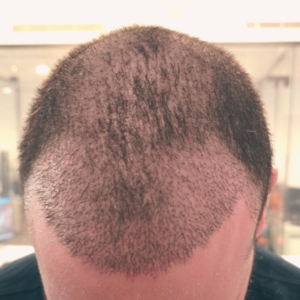
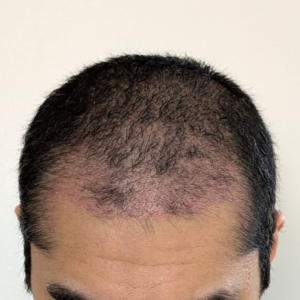
Shedding after a hair transplant is an expected part of the healing process. In the weeks following surgery, many patients notice that the transplanted hairs begin to fall out.
Many patients ask the same question shortly after surgery: Does transplanted hair fall out permanently?
The answer is usually no. What most people experience is temporary shedding.
After transplantation, hair follicles enter a resting phase as they adapt to their new location. During this process, the hair shaft detaches and falls out while the follicle remains alive under the scalp. This phase is completely normal and does not mean the procedure has failed.
Is It Normal To See Hairs Come Out With The Crusts After A Hair Transplant?
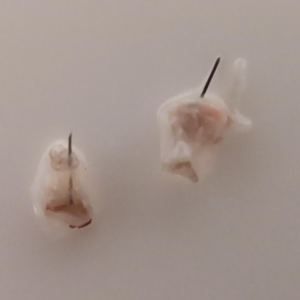
Yes, this is completely normal. Around 10-14 days after a hair transplant, patients gently wash the scalp to remove the small crusts that formed around the transplanted grafts. During this process, it is common to see a few hairs attached to the crusts.
This does not mean the grafts were lost. In most cases, only the hair shaft sheds while the follicle remains safely implanted under the skin.
Why Does Transplanted Hair Fall Out After Hair Transplant?
Several factors contribute to shedding after hair transplant, including:
- Temporary trauma from the surgical procedure
- The natural hair growth cycle resetting
- Reduced blood supply during early healing
- Stress placed on surrounding hair follicles
What Is Shock Loss After Hair Transplant?
Shock loss after hair transplant refers to temporary hair shedding that occurs following the procedure. It can affect both:
- Newly transplanted hairs
- Existing hair surrounding the transplant area
Shock loss occurs because the scalp experiences mild trauma during surgery. Fortunately, shock loss is usually temporary, and most follicles resume normal hair growth within several months.
What’s the Difference Between Normal Shedding and Shock Loss?
Normal hair shedding occurs throughout life as part of the natural hair cycle. On average, people lose 50-100 hairs per day as older hairs are replaced with new ones.
Shock loss, on the other hand, happens specifically after hair transplant surgery. It typically affects transplanted grafts or nearby native hairs and occurs within the first few weeks following the procedure.
The key difference is that shock loss is temporary and related to surgical stress, while normal shedding is part of everyday hair renewal.
What’s the Difference Between Shock Loss and Permanent Hair Loss?
Shock loss may appear alarming, but it is not the same as permanent hair loss. In shock loss:
- The hair shaft falls out
- The follicle remains alive
- New hair grows from the same follicle later
Permanent hair loss occurs when the follicle itself is damaged or genetically programmed to stop producing hair.
In most hair transplant cases, shedding represents a temporary phase before regrowth begins.
How Long Does Shedding Last After Hair Transplant?
The hair transplant shedding phase usually begins between two and four weeks after surgery. During this time, transplanted hair shafts gradually fall out as the follicles transition into a resting phase.
Most shedding occurs within the first four to eight weeks, after which the follicles begin preparing for new hair growth.
How Much Hair Shedding Is Normal After Hair Transplant?
Many patients worry when they notice large amounts of hair falling out during the first month after surgery. In reality, shedding of most transplanted hairs is completely normal.
Because the transplanted follicles reset their growth cycle, a large percentage of the visible hair shafts may fall out during the first few weeks. This does not mean the grafts have failed.
The follicles remain intact beneath the skin and will begin producing new hair during the next growth phase.
What Percentage of Transplanted Hair Falls Out?
Most transplanted hairs shed during the first few weeks after surgery. In many cases, 70-90% of the transplanted hair shafts fall out during the shedding phase. This is completely normal and part of the natural hair growth cycle resetting after transplantation.
How To Minimize Shedding After Hair Transplant?
While some shedding is unavoidable, proper post-operative care can help protect the transplanted follicles and support healthy regrowth. Patients are typically advised to:
- Follow all post-operative instructions carefully
- Avoid rubbing or scratching the scalp
- Protect the scalp from direct trauma
- Avoid tight hats that may disturb grafts
- Maintain a balanced diet to support healing
Healthy nutrition is particularly important because the body requires nutrients such as protein, iron, zinc, and biotinto support tissue repair and hair growth.
Hair Transplant Shedding and Growth Timeline
Understanding the timeline of recovery can help patients know what to expect after surgery. Hair growth after transplantation does not occur immediately. Instead, the follicles move through a series of predictable phases.
Time After Hair Transplant | What Happens | What Patients Notice |
Days 1–10 | The grafts settle into the scalp and the healing process begins. Small scabs form around the transplanted follicles. | Mild redness, tiny crusts, and slight swelling in the recipient area. |
Weeks 2–4 | The hair transplant shedding phase typically begins. The transplanted hair shafts fall out while the follicles remain safely implanted under the skin. | Patients may notice increased shedding after hair transplant, which can look alarming but is completely normal. |
Months 2–3 | The follicles enter a resting stage before new growth starts. | The scalp may look similar to the pre-transplant stage as the new hairs have not yet emerged. |
Months 3–4 | Early regrowth begins as follicles re-enter the growth phase. | Thin, soft hairs start appearing in the transplanted areas. |
Months 5–8 | Hair becomes thicker and more visible. The density gradually improves. | Noticeable cosmetic improvement as new hair continues to grow. |
Months 9–12 | Most patients see significant growth and maturation of transplanted hairs. | The hairline and transplanted areas look fuller and more natural. |
12–18 Months | Final maturation phase. The transplanted hairs continue to thicken and fully integrate with the existing hair. | The final results of the hair transplant become visible. |
When Does Transplanted Hair Fall After Hair Transplant?
Transplanted hair typically begins to shed between weeks two and four after surgery.
This phase may continue for several weeks as the follicles enter a resting period. Although the scalp may appear similar to its pre-transplant state during this stage, the follicles remain alive beneath the skin.
When Does Transplanted Hair Grow Back After Hair Transplant?
New hair growth usually begins around three to four months after surgery. Initially, the hairs may appear thin or soft. Over time, they gradually thicken and mature. Significant improvement in density is typically visible between six and twelve months, with final results continuing to develop over the first year.
The Hair Growth Cycle After a Hair Transplant
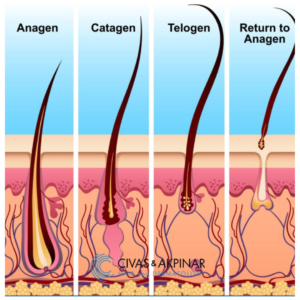
Hair follicles naturally cycle through three phases of growth:
- Anagen phase: the active growth stage
- Catagen phase: a short transitional phase
- Telogen phase: the resting and shedding phase
Following a hair transplant, many follicles temporarily enter the telogen phase, which explains the shedding seen after surgery. Once this phase ends, the follicles return to the anagen phase, where new hair begins to grow.
Factors That Affect Hair Transplant Growth
Hair growth after transplantation can vary depending on several factors, including:
- Quality of donor hair
- Skill and experience of the surgeon
- Patient’s healing process
- Overall health and nutrition
- Adherence to post-operative care instructions
Are Transplanted Hairs Permanent?
Many patients ask again later in their research: Are transplanted hairs permanent?
In most cases, yes. Because the follicles originate from areas genetically resistant to DHT-induced hair loss, they usually continue to grow even after being moved to a different part of the scalp.
Can Transplanted Hair Fall Out Years Later?
Transplanted hair is generally permanent. However, hair loss may still occur in non-transplanted areas of the scalp. This is why some patients may require additional treatments or future procedures to maintain overall hair density. Proper medical management and regular follow-ups can help preserve long-term hair transplant results.
How to Protect Transplanted Hairs and Support Hair Growth After Surgery
Proper care during the early healing phase is essential for protecting newly transplanted grafts. The first 10 days after surgery are particularly important because the grafts are still stabilizing within the scalp.
Patients should avoid:
- Trauma or friction to the scalp
- Excessive sun exposure
- Tight headwear
- Smoking, which may delay healing
Careful cleaning of the scalp and proper crust removal are also important to avoid disturbing the grafts. Following the recommended recovery guidelines significantly increases the chances of successful hair growth after transplantation.
When Should You Worry About Hair Loss After Transplant?
Although shedding after hair transplant is usually normal, there are situations where patients should contact their doctor.
Medical advice may be necessary if:
- There is persistent redness or infection
- The scalp experiences unusual pain or swelling
- Hair growth does not begin after several months
- Significant donor area thinning occurs
Early evaluation helps ensure the healing process is progressing normally.
Does Transplanted Hair Fall Out: Expert Advice from Surgeons at Civas&Akpınar
According to specialists at Civas&Akpınar Hair Transplant Clinic, shedding after a hair transplant is completely normal and expected in most patients. The temporary loss of transplanted hair shafts during the first weeks is part of the natural recovery process and does not affect the long-term survival of the follicles.
However, surgeons often note that years later, some patients believe their transplanted hair is falling out. In many cases, what is actually happening is continued thinning of native (non-transplanted) hair, especially when patients stop medical hair loss treatments after surgery.
For this reason, Dr. Civas and Dr. Akpınar frequently recommend long-term treatments such as Finasteride, Dutasteride, Minoxidil or Laser Therapy to help preserve existing hair and maintain the long-term density and longevity of hair transplant results.
If you are considering a hair transplant or want expert guidance on maintaining your results, get in touch with experienced specialists at Civas&Akpınar who can help you develop a personalized treatment and long-term hair preservation plan..
Does Transplanted Hair Fall Out: FAQs
Q: Will all my transplanted hairs fall out?
A: Most transplanted hairs shed within the first few weeks after surgery. This is a normal part of the hair transplant shedding phase, and new hair usually begins growing a few months later.
Q: Does shock loss mean my transplant failed?
A: No. Shock loss after hair transplant is temporary and does not indicate that the transplant has failed. The follicles remain intact and will usually begin producing new hair during the next growth cycle.
Q: Is it possible not to experience shedding after hair transplant?
A: Some patients may notice minimal shedding, but most people experience at least some degree of temporary hair loss as the follicles adjust to their new environment.
Q: Will my original (native) hair also shed?
A: Yes, in some cases the surrounding native hair may temporarily shed due to surgical stress and trauma. This usually grows back once the follicles recover.
Q: Can shedding affect the donor area?
A: Shedding can occasionally occur in the donor area as well, but it is typically mild and temporary. The donor region usually heals quickly, and the hair continues to grow normally.
Q: Can you lose hair grafts after a hair transplant?
A: It is very uncommon to lose grafts after the first few days following a hair transplant. Once the grafts are securely implanted in the scalp (usually within 3-5 days), they are very difficult to dislodge. Seeing hairs shed later on is usually part of the normal shedding phase, not loss of the transplanted follicle.
Q: What happens if you do not take finasteride or minoxidil after a hair transplant?
A hair transplant restores hair in areas that have already thinned, but it does not stop the underlying genetic hair loss process. Without medical treatments such as finasteride or minoxidil, native (non-transplanted) hairs may continue to thin over time. This can make some patients feel like they are losing their transplanted hair when they are actually losing surrounding native hair.