


Many people researching hair restoration eventually come across the term failed hair transplants and begin to wonder what actually causes a procedure to go wrong. Is it poor growth? Is it the surgeon’s technique? Or is it something that was overlooked long before the first graft was implanted?
The truth is, when performed with proper diagnosis, planning, and technique, hair restoration is actually a safe and highly successful procedure. In this blog, we will explore the most common causes of failed hair transplants and outline what experienced specialists recommend to avoid unsatisfactory results..
What Is Considered a Failed Hair Transplant?
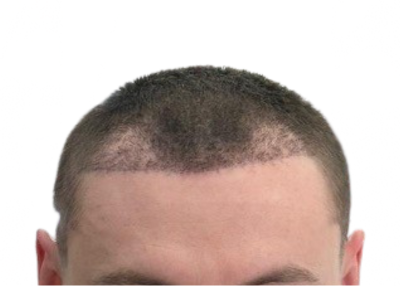
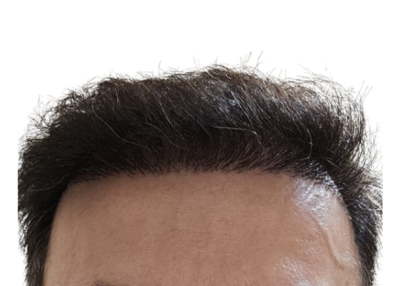
A failed hair transplant does not always mean that no hair grows at all. In clinical practice, failure exists on a spectrum. Some patients experience very low growth, others see initial growth followed by thinning months later, and some are left with an unnatural appearance, visible scarring, or uneven density.
It is also important to separate normal healing from true hair transplant failure. Temporary shedding, delayed growth, or mild shock loss can occur after a well-performed procedure and do not automatically indicate a problem.
Unsuccessful hair transplants, on the other hand, involve poor long-term graft survival, progressive thinning of transplanted areas, or aesthetic results that do not improve over time. Understanding this distinction helps patients and doctors identify where the real problem lies.
The Difference Between Poor Growth, Failed Grafts, And Unsatisfactory Results
-
- Poor growth refers to low graft survival or weak hair caliber after surgery.
-
- Failed grafts are follicles that do not survive due to biological or technical damage.
-
- Unsatisfactory results may involve unnatural hairlines, poor density distribution, or visible donor damage, even if grafts technically survive.
What Are the Most Common Causes of Failed Hair Transplantation?
Many patients assume that botched hair transplants are caused by poor implantation alone. In reality, some of the most common reasons involve:
-
- Choosing the wrong clinic
-
- Incorrect patient selection
-
- Poor pre-operative planning
-
- Failed or improper graft harvesting
-
- Channel opening (recipient site creation) errors
-
- Poor graft handling and low graft survival
-
- Implantation technique errors
-
- Inadequate post-operative care and aftercare
Clinic Selection: Why Choosing the Right Team Determines Long-Term Success
A significant number of failed procedures are not the result of bad luck or unpredictable healing, they begin with clinic selection.
The Risks of Hair Mill Clinics
Hair mill clinics focus on performing a high number of surgeries per day, often with minimal doctor involvement. This production-line approach can compromise planning, graft handling, and donor protection, increasing the risk of unnatural results and failed surgeries.
The Danger of Graft-Number Marketing
Hair clinics that rely on aggressive marketing often simplify hair surgery into a numbers game, increasing the risk of botched hair restoration procedures by ignoring donor safety and graft viability.
Graft Quality over Graft Quantity
Successful outcomes depend on using stable, healthy grafts, not on how many grafts are implanted. Poor graft selection is a major cause of botched hair restoration procedures.
Clinics that do not perform detailed donor analysis often harvest grafts without considering hair shaft thickness, follicle integrity, or long-term survival potential.
Patient Selection: The Importance of Proper Evaluation for Hair Transplant Candidacy
Hair transplantation is not suitable for every patient, and failure often begins when key clinical questions are ignored, such as:
-
- Is there a pattern to the hair loss?
-
- Is there more than 50% hair loss in any scalp area?
-
- Does the scalp appear healthy?
-
- What is the quality and quantity of donor hair? Is hair loss unstable?
-
- Does the patient have realistic expectations?
-
- Are there any medical or dermatological conditions that may prevent surgery?
Who Is Not a Suitable Candidate for Hair Transplantation?
Patients who fall into the categories below require careful evaluation, long-term monitoring, or alternative treatment options:
Alopecia Areata
Alopecia Areata condition can recur unpredictably, and transplanted hairs may also fall out, leading to unsuccessful hair transplants.
Scarring Alopecia (Cicatricial Alopecia)
Hair transplantation in scarring alopecia should only be considered if the disease is proven to be in a stable, inactive phase.
Patients With Insufficent Hair Loss
Early intervention without clear hair loss progression can result in unnatural outcomes as native hair loss continues.
Patients with Unrealistic Expectations
When patients are not adequately informed about limitations and achievable outcomes, dissatisfaction and perceived hair transplant failure are common.
Diffuse Hair Loss involving the Donor Area (DUPA)
Since donor hair is also unstable, graft survival and long-term results are unpredictable.
Insufficient or Miniaturized Donor Hair
Weak or miniaturized follicles lack long-term viability and are a frequent cause of failure in hair surgery.
Severe Retrograde Alopecia
Advanced thinning in the donor region limits safe graft harvesting and increases the risk of poor cosmetic results.
Psychological Conditions, especially Body Dysmorphic Disorder (BDD)
BDD is a complex psychiatric condition in which patients obsess over minimal or even imperceptible flaws, frequently check mirrors, and believe others notice and judge these flaws. Performing hair transplantation in such cases carries a high risk of dissatisfaction and repeated corrective surgery requests and should be approached with extreme caution. These patients may also struggle to accept surgical refusal or psychological counseling.
Trichotillomania
A high-risk condition characterized by compulsive hair pulling, Trichotillomania may coexist with Post-Hypertrophic Folliculitis (PHL) or mimic genetic hair loss patterns, making diagnosis and long-term results unpredictable.
Medical Conditions That Indirectly Complicate Hair Surgery
Certain medical conditions do not automatically exclude patients from hair restauration, but special considerations must be taken into account before surgery, as these factors can increase the risk of failure if not properly managed.
-
- Smoking: Regular smokers have lower graft survival due to reduced blood flow and vascular effects. Ideally, smoking should be stopped 1 month before surgery and resumed 3 weeks after. If not possible, stopping 3 weeks before and after still reduces risk
-
- Diabetes: Long-standing diabetes with microvascular damage can impair wound healing and graft nourishment and increase the risk of unsatisfactory results
-
- Sun Exposure: Extensive scalp sun damage affects skin quality and vascular support for grafts which may lead to reduced graft survival
-
- Chronic medical conditions requiring careful evaluation such as:
-
- Hypertension
-
- Heart Disease
-
- Diabetes
-
- Excessive Alcohol Use
-
- Immunodeficiency Anticoagulant Therapy
-
- Chronic medical conditions requiring careful evaluation such as:
Pre-Op Planning: The Critical Role of Diagnosis and Long-Term Strategy
Even technically well-performed procedures can look artificial if long-term hair loss patterns, facial structure, and graft distribution principles are ignored during the planning stage.
Ignoring Age and Future Hair Loss Progression
Failing to consider the patient’s age and expected progression of hair loss leads to plans that work only temporarily. As frontal and mid-scalp loss continues, previously transplanted areas may appear isolated, resulting in unnatural density patterns over time.
Incorrect Hairline Design and Facial Mismatch
Hairlines placed too low or too high, or designed without regard to facial structure (oval, round, square, etc.), often look artificial. Ignoring the patient’s age and future hair loss when designing the hairline is a major planning error and a frequent cause of dissatisfaction.
Treating the Donor Area as Unlimited
The donor area is a limited and non-renewable resource. Overusing grafts without long-term planning reduces future options and is a common reason for irreversible donor depletion.
Transplanting Only the Crown Area
In patients with crown hair loss, the frontal hairline often recedes later. Using the best grafts exclusively for the crown is a critical mistake. A dense crown with a thinning or receding front creates an unnatural appearance.
Follicular units containing 1, 2, 3, or 4 hairs must be strategically placed in the correct zones to achieve balanced, natural results.
Focusing on Graft Numbers vs Graft Quality
Chasing high graft counts while ignoring graft composition, placement strategy, and survival potential compromises outcomes. Proper allocation of follicular units is far more important than the total number extracted.
Graft Harvesting: Why Precision Is Essential for Donor Safety
Graft harvesting, which affects graft survival and permanently impacts the donor area, can lead to hair transplant failure.
High Transection Rates and Follicle Damage
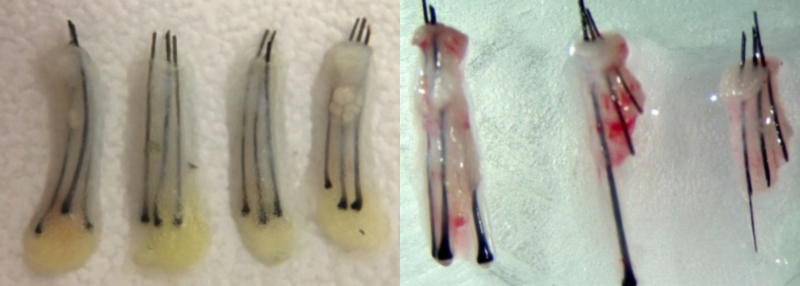
Transection occurs when hair follicles are partially or completely cut during extraction. High transection rates result in non-viable grafts, reduced growth, and poor overall outcomes. Once a follicle is transected, its regenerative capacity is permanently compromised.
Incorrect Punch Selection
Using the wrong punch type or size increases the risk of follicle damage. Star punch, trumpet punch, long or short punch, and sharp punch designs must be selected based on individual follicle characteristics, skin thickness, curl, and exit angle. A one-size-fits-all approach leads to unnecessary trauma and graft loss.
Inexperienced Extraction Techniques
Graft harvesting requires refined tactile feedback and anatomical understanding. Inexperienced surgeons often apply excessive force, incorrect angles, or improper depth control, significantly increasing follicular trauma and transection rates.
Importance of Intraoperative Transection Testing (FOX Test)
In patients with a high risk of transection, an intraoperative graft transection test (FOX test) must be performed on the first 100 grafts. If the transection rate is found to be high, the procedure should be postponed or reconsidered to prevent irreversible donor damage.
Overharvesting and Permanent Donor Damage
Aggressive or poorly planned harvesting disrupts donor density and vascular supply, leading to visible thinning, scarring, and permanent donor depletion. Overharvesting cannot be corrected and severely limits future surgical options.

Channel Creation: How Technique Determines Natural Growth and Survival
Channel opening is one of the most critical stages of a hair surgery and directly determines graft survival, natural appearance, and long-term results.
Channel creation defines the angle, direction, depth, and density of every transplanted graft. Once channels are opened, implantation errors become unavoidable, poor planning at this stage cannot be corrected later, regardless of graft quality.
Incorrect Channel Depth and Graft Survival
Channels that are too shallow lead to graft popping and poor anchoring.
Channels that are too deep compromise oxygen delivery, increasing the risk of graft necrosis and reduced survival.
Size of Incisions
Channels that are too narrow compress grafts, causing mechanical trauma and reduced viability.
Channels that are too wide result in poor tissue contact, unstable graft positioning, and lower survival rates.
Channel Density and Vascular Compromise
Excessively dense channel opening disrupts the local blood supply, leading to ischemia, inadequate graft nourishment, and higher rates of graft failure, even when technically well placed.
Angle and Direction of Incisions
Incorrect angulation results in unnatural hair growth patterns, while poor directional planning can damage existing native hair, accelerating shock loss and thinning in surrounding areas.
Channel Openings vs Graft Type
Channel design must correspond to single-hair and multi-hair follicular units. Mismatching graft type to channel size or zone placement leads to unnatural density, poor aesthetics, and compromised graft survival.
Graft Preservation: Protecting Follicles After Extraction
Even when patient selection, planning, harvesting, and channel opening are done correctly, failed hair transplants can still occur due to poor graft handling. Hair follicles are living tissue, and their survival depends on strict intraoperative care.
Graft Dehydration during Surgery
Hair grafts are extremely sensitive to dehydration. Even brief exposure to air can damage follicular cells, significantly reducing graft survival and leading to poor growth or complete failure.
Improper Graft Storage Conditions
Grafts must be stored at the correct temperature and moisture level. Inadequate storage solutions or fluctuating conditions increase cellular stress, compromising graft viability before implantation.
Excessive Out of Body Time
The longer grafts remain outside the body, the lower their survival rate. Prolonged ischemic time reduces oxygen delivery and increases follicular damage, directly impacting final density and growth.
Graft Handling Techniques
Fragile grafts require meticulous handling. Excessive force, improper instruments, or rushed implantation can permanently damage follicles, even if all other surgical steps are performed correctly.
Implantation Technique: Safeguarding Graft Integrity During Placement
The implantation stage is one of the most delicate phases of the procedure. Even well-harvested grafts can be lost at this point, making implantation errors a frequent cause of unsuccessful hair restoration procedures.
Mechanical Trauma during Implantation
Excessive force, repeated manipulation, or improper instrument use can physically damage follicles during placement. This mechanical trauma compromises graft integrity and reduces survival, even when channels are correctly created.
Forcing Unsuitable Grafts into DHI implanter Pens
Not all follicular units are suitable for DHI. Forcing fragile, bulky, or multi-hair grafts into DHI pens can cause graft breakage and internal follicular damage. In such cases, experienced clinics switch to forceps implantation to protect graft integrity.
Post-Operative Care: Protecting and Maintaining Your Hair Transplant Results
Even a technically perfect procedure can result in failed hair transplants if post-operative care is neglected. The healing phase plays a critical role in graft survival, growth quality, and overall outcome.
Smoking and Reduced Graft Survival
Smoking constricts blood vessels and reduces oxygen delivery to newly implanted grafts. This directly lowers graft survival rates, especially during the first few weeks after surgery.
Infection, Inflammation, and Scalp Trauma
Poor hygiene, excessive touching, scratching, or accidental trauma can lead to infection and inflammation. These complications disrupt the healing environment and may permanently damage transplanted follicles.
Failure to Follow Washing and Aftercare Instructions
Improper washing techniques, early scab removal, or skipping prescribed aftercare protocols can dislodge grafts or delay healing. Following clinic-specific instructions is essential to prevent hair transplant failure.
Medical Conditions affecting Healing and Blood Supply
Conditions such as diabetes, vascular disease, or immune disorders can slow healing and compromise graft nourishment. When not properly managed, they increase the risk of unsuccessful hair surgeries.
Diet, Nutrition, and Graft Healing
Adequate protein intake, vitamins, and minerals support wound healing and follicle regeneration. Poor nutrition, dehydration, or excessive alcohol consumption can negatively affect recovery and final results.
Hair Loss Treatments After Transplant (Finasteride, Minoxidil, and Others)
Medications such as Finasteride and Minoxidil do not affect transplanted hair but help stabilize existing native hair. Avoiding or delaying medical therapy may lead to continued thinning around the transplanted area, creating the appearance of a botched hair transplant despite successful graft growth.
Why Do Some Hair Transplant Results Change Over Time?
Not all failed hair transplants fail immediately. In some cases, early growth appears promising, only for results to decline months or even years later. This delayed failure is often related to biological factors that were overlooked during evaluation and planning.
Miniaturized Grafts with Limited Life Cycles
When grafts are harvested from areas affected by miniaturization, they may initially grow but have a shorter life span. These weakened follicles are more sensitive to hormonal changes and may thin or disappear over time, contributing to poor long-term results.
Diffuse Thinning Misdiagnosed as Stable Hair Loss
Diffuse thinning, especially when it involves the donor area, is frequently mistaken for stable pattern hair loss. Transplanting in these cases can lead to temporary improvement, followed by widespread thinning of both transplanted and native hair, creating the appearance of an unsuccessful hair restoration procedure despite proper technique.
The Importance of Medical Treatments to Manage Future Hair Loss
Hair surgery does not stop ongoing hair loss. When medical treatments such as finasteride or minoxidil are not used, when appropriate, progressive thinning of native hair can continue around transplanted grafts.
This imbalance between permanent transplanted hair and untreated native hair is a common reason why initially good results later resemble botched hair transplants.
How to Avoid Unsatisfactory Hair Transplant Results?
Avoiding unsatisfactory hair restoration results starts long before the day of surgery. The key is making informed decisions at every stage of the process.
-
- Select a clinic based on medical credibility, ethical practice, and documented results,not graft numbers, discounts, or social media ads. A clinic that operates on a one-patient-per-day policy, where at least one experienced doctor and a dedicated team of three nurses focus entirely on your procedure, ensures precision, safety, and personalized care.
-
- Hair surgery is a medical procedure. Proper diagnosis, planning, and supervision by experienced physicians significantly reduce the risk of failed hair transplants.
-
- Ensure proper patient selection and diagnosis. Stable hair loss patterns, healthy scalp conditions, and adequate donor quality must be confirmed before surgery using clinical examination and trichoscopic analysis.
-
- Prioritize graft quality over graft quantity. The survival and placement of healthy grafts matter far more than how many are transplanted.
-
- Demand personalized hairline and transplant planning. Age, facial structure, ethnicity, and future hair loss progression must be considered to achieve natural and long-lasting results.
-
- Protect the donor area. Ethical graft numbers and careful harvesting prevent overharvesting and preserve the donor area for the future.
-
- Use proper surgical techniques at every stage. Correct extraction, channel opening, graft handling, and implantation techniques are essential for high graft survival.
-
- Follow post-operative instructions carefully. Washing protocols, activity restrictions, and infection prevention directly impact graft survival and final outcomes.
-
- Adopt medical treatments when indicated. Treatments such as finasteride and minoxidil help stabilize ongoing hair loss and protect both transplanted and native hair.
-
- Think long-term, not short-term density. Successful hair restoration focuses on natural, sustainable results rather than immediate cosmetic impact.
What Experts at Civas & Akpınar Recommend to Avoid Failed Hair Transplants
At Civas & Akpınar Hair Transplant in Turkey, preventing failed procedures starts with understanding that hair restoration is a biological procedure, not a numbers game. Every step is guided by medical evaluation, donor preservation, and long-term planning rather than short-term cosmetic promises.
Every patient undergoes a comprehensive medical and hair-loss assessment supported by trichoscopic donor analysis and miniaturization mapping. This allows accurate identification of safe donor zones and ensures that only healthy, high-quality follicular units with real growth potential are selected.
In line with ISHRS guidelines, graft extraction is ethically limited, typically 3,000–3,500 grafts per session, to protect donor health and optimize graft survival, rather than chasing unrealistic numbers.
Surgery is performed using a one-patient-per-day approach, allowing a medical team of 2 experienced doctors and 3 trained nurses to work without time pressure, fatigue, or rushed decision-making. Harvesting and implantation are planned based on graft quality, follicle characteristics, and long-term hair loss progression, with strict attention to minimizing tissue trauma at every stage.
This experienced, doctor-led approach prioritizes donor preservation and natural results that age well over time.
Points Our Experts Consider to Avoid Misdiagnosis:
To reduce the risk of poor planning and botched hair transplants, the following principles should be applied for every patient:
-
- Take a comprehensive general medical history
-
- Take a detailed hair-loss specific history
-
- Examine the entire scalp, including donor and recipient areas
-
- In men, evaluate beard and body donor areas when appropriate
-
- Routinely use dermoscopy and densitometry
-
- Maintain a high index of suspicion, if anything unusual is detected, request further consultation or biopsy
If you are considering hair restoration or have concerns about a previous procedure, a proper medical consultation is the most important first step. Our experts are happy to evaluate your case and guide you with honest, evidence-based recommendations.
Frequently Asked Questions About Failed Hair Transplants
Q: Can a failed hair transplant be fixed?
A: Yes, many failed hair transplants can be improved with revision surgery, medical treatment, or both. However, correction depends on donor availability, scalp condition, and the cause of failure.
Q: How can I tell if my hair transplant has failed?
A: Hair surgery may be considered unsuccessful if there is minimal or no growth after 12 months, patchy density, unnatural hair direction, or visible donor damage. Poor growth alone does not always mean failure and must be assessed medically.
Q: Is shock loss a sign of failure?
A: No. Shock loss is a temporary shedding of existing or transplanted hair and is common after surgery. In most cases, regrowth occurs within a few months and does not indicate failure.
Q: Can poor donor areas recover after overharvesting?
A: Donor areas may partially improve over time, but permanent overharvesting cannot be fully reversed. Careful planning and ethical graft limits are critical to preventing long-term donor damage.
Q: How long should I wait before considering revision surgery?
A: Most experts recommend waiting at least 12-18 months after the initial procedure. This allows full growth, healing, and accurate assessment of the final result.
Q: Can medical treatment help after an unsuccessful hair restoration procedure?
A: Yes. In some cases, medical treatments such as finasteride and minoxidil can help stabilize ongoing hair loss, improve native hair density, and support better outcomes.